La Roche-Posay
Maximum Protection Science: The SPF 50 Standard
Modern sun care requires more than basic blocking. True sunscreen spf 50 protection combines high UVB defense with comprehensive UVA coverage, indicated by the PA rating system. This level of sun defense provides the optimal balance for daily wear, offering substantial protection while maintaining cosmetic elegance for consistent use.
Formulation Diversity: Finding Your Perfect Match
Different skin types and preferences require different formats:
-
Sunscreen lotion for normal to dry skin
-
Sunscreen gel for oily complexions
-
Sunscreen fluid for lightweight application
-
Sunscreen milk for quick absorption
-
Sunscreen spray for convenient reapplication
-
Sunscreen stick for targeted protection
-
Sunscreen aqua for refreshing hydration
Specialized Solutions for Specific Needs
The high-protection category includes targeted options:
• Face sunscreen designed specifically for delicate facial skin
• Daily sunscreen formulas for consistent urban wear
• Moisturizer with spf combining hydration and protection
• Sun cream with nourishing emollients
• Sunblock for intense exposure situations
• Sun protector with additional environmental benefits
Comparison Table: SPF 50 Selection Guide
| Skin Type | Recommended Format | Key Feature | Best Use Case |
|---|---|---|---|
| Oily/Combination | Sunscreen for oily skin | Oil-Control | Daily Urban Wear |
| Normal | Sunscreen for face | Balanced Finish | All-Day Protection |
| Dry | Sun cream | Hydrating Base | Winter/Cold Climates |
| Sensitive | Lightweight sunscreen | Minimal Formula | Reactive Skin Types |
| Active Lifestyle | Sunscreen spray | Sweat-Resistant | Outdoor Activities |
| Under Makeup | Matte sunscreen | Pore-Blurring | Cosmetic Base |
| Reapplication | Sunscreen stick | Convenient Format | On-the-Go Touchups |
| Humid Climates | Sunscreen aqua | Water-Gel Texture | Tropical Weather |
The Daily Protection Protocol
Effective sun care involves more than product selection:
-
Apply adequate amount (1/4 teaspoon for face)
-
Use daily sunscreen every morning regardless of weather
-
Reapply every 2 hours with direct exposure
-
Layer sunscreen lotion before moisturizer with spf
-
Use sunscreen stick for targeted reapplication
-
Cleanse thoroughly each evening to remove all sun protector residues
Frequently Asked Questions
Q: Is sunscreen spf 50 necessary for daily use?
A: While lower SPF provides protection, sunscreen spf 50 offers the optimal balance of high protection and cosmetic elegance for consistent daily sunscreen application.
Q: What’s the difference between sun cream and sunblock?
A: Sun cream typically refers to cosmetic formulations with additional skincare benefits, while sunblock often indicates physical/mineral-based protection with broader coverage.
Q: Can I use face sunscreen on my body?
A: While face sunscreen is formulated for delicate facial skin, it can be used on the body. For larger areas, sunscreen lotion or sunscreen spray may be more economical.
Q: How does matte sunscreen differ from regular formulas?
A: Matte sunscreen contains oil-absorbing ingredients and often has pore-blurring effects, making it ideal for oily skin types or under makeup application.
Q: Is lightweight sunscreen less effective?
A: Not at all. Lightweight sunscreen refers to texture and feel, not protection level. Modern formulations offer full sun defense without heavy, greasy residues.
Ingredient Intelligence: Modern UV Protection
Effective sun protector formulas now include:
-
Advanced chemical filters (Uvinul, Tinosorb, Mexoryl)
-
Physical/mineral options (Zinc Oxide, Titanium Dioxide)
-
Antioxidant boosts (Vitamin C, E, Green Tea)
-
Blue light protection (Iron Oxides)
-
Pollution defense (Anti-pollution complexes)
The Personal Protection Assessment
Choosing between sunscreen gel, sunscreen fluid, or sunscreen milk depends on your skin type, climate, and personal texture preferences. A sunscreen for face designed for oily skin will differ significantly from a sun cream formulated for dry complexions.
Sustainability in Sun Protection
Modern sun defense products increasingly focus on reef-safe formulas, biodegradable ingredients, and sustainable packaging. Many sunscreen stick formats use recyclable materials and concentrated formulas that reduce waste compared to liquid options.
Application Mastery for Maximum Efficacy
For optimal protection with your spf 50 pa product:
Apply to clean, dry skin 15 minutes before sun exposure
Use the recommended amount—most people underapply
Don’t forget neck, ears, and décolletage
Reapply after swimming, sweating, or towel drying
Consider sunscreen spray for hard-to-reach areas
Begin Your Protection Journey Today
Take Our Sun Protection Quiz → Discover Your Perfect Sunscreen SPF 50 → Commit to Daily Defense
Daily use of appropriate SPF protection can prevent up to 90% of skin aging caused by UV exposure.
Showing all 2 results
-
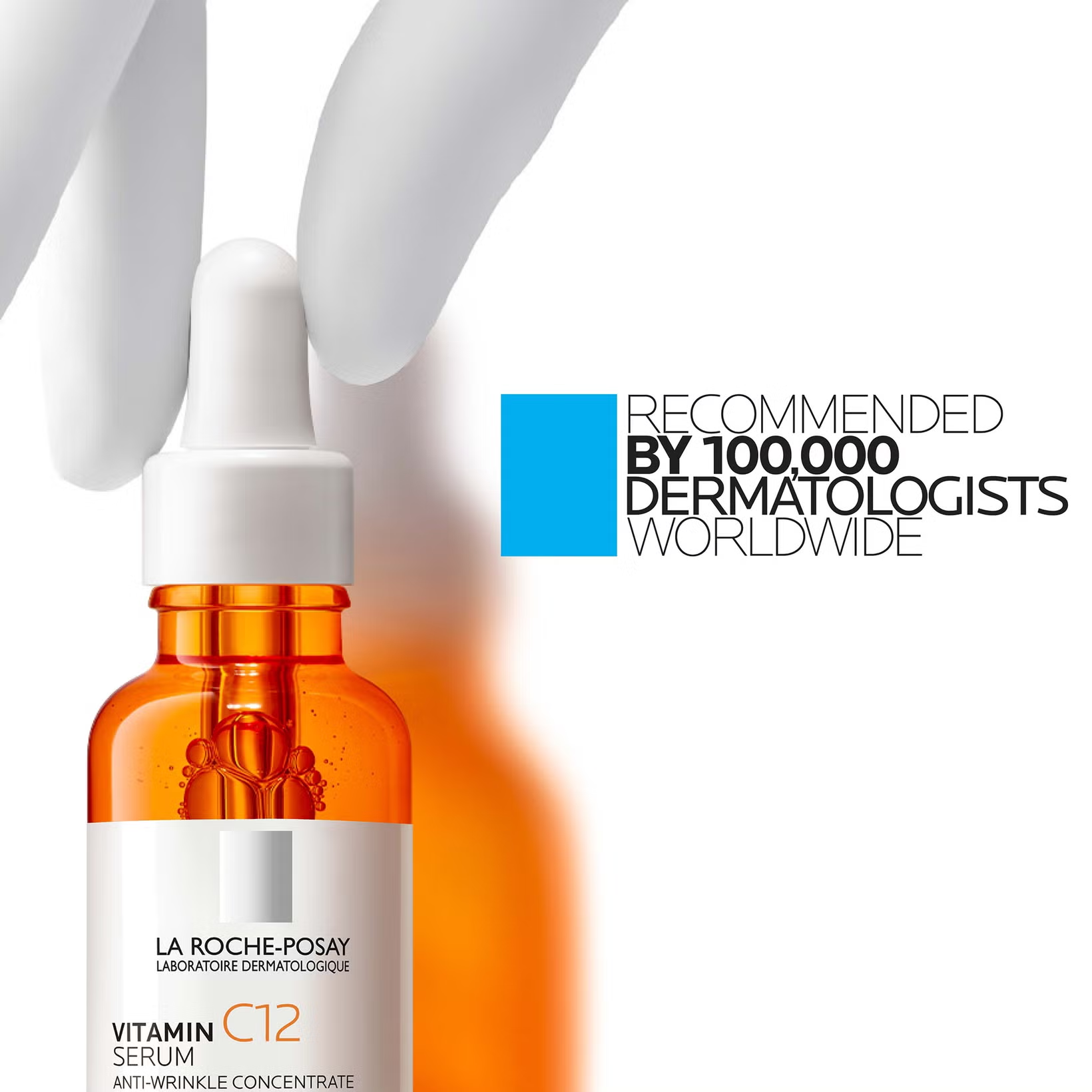
La Roche-Posay 10% Pure Vitamin C Serum (1 fl. oz.)
This dermatologist-recommended vitamin C serum contains 10% pure ascorbic acid to improve skin radiance and texture. Specifically formulated for sensitive skin types requiring gentle yet effective antioxidant protection. $44.99 -
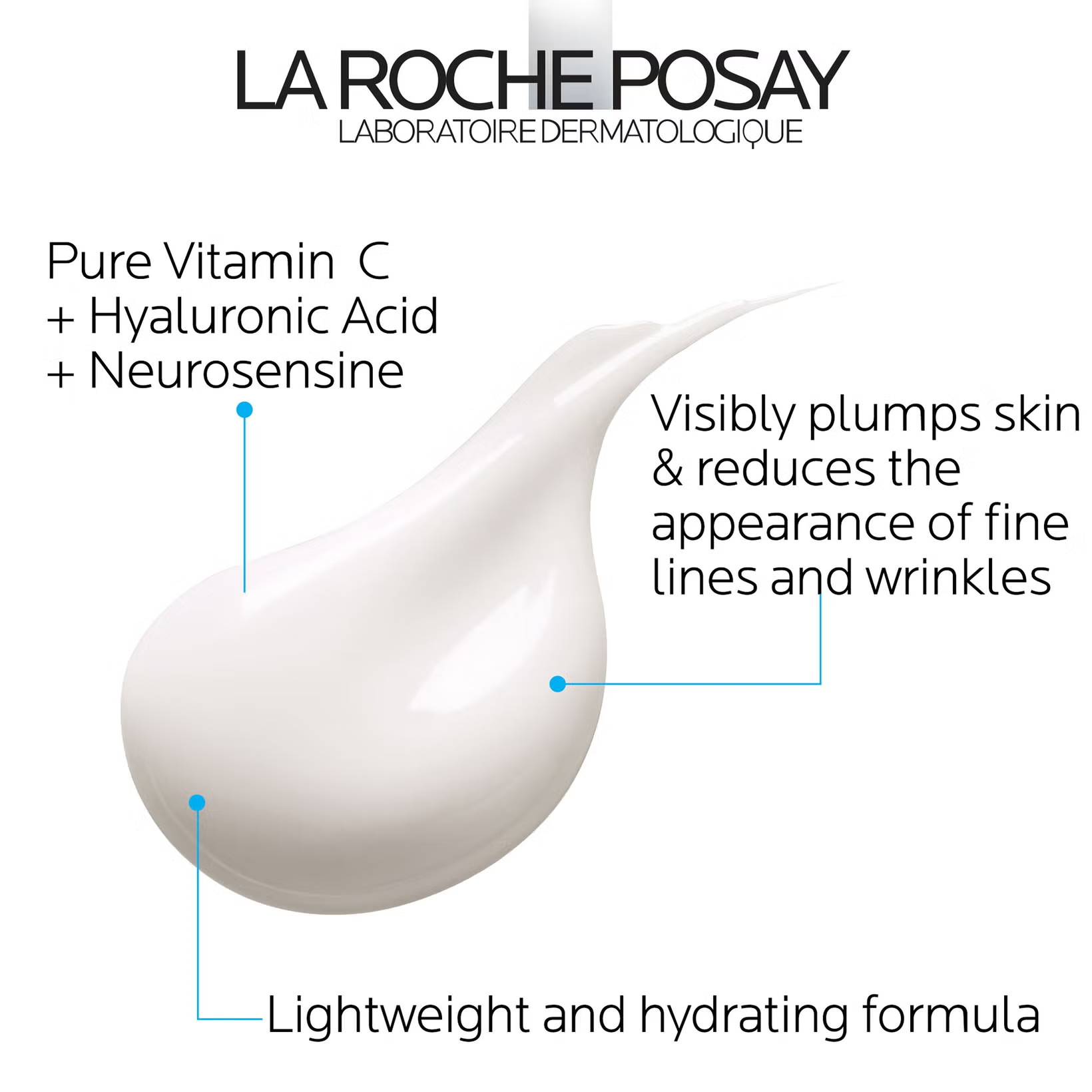
La Roche-Posay Pure Vitamin C Cream Moisturizer (1.35 fl. oz.)
La Roche-Posay Pure Vitamin C Cream Moisturizer 1.35 fl. oz. combines vitamin C benefits with daily hydration. This vitamin C cream provides antioxidant protection and brightening effects in gentle moisturizer formula. $54.99